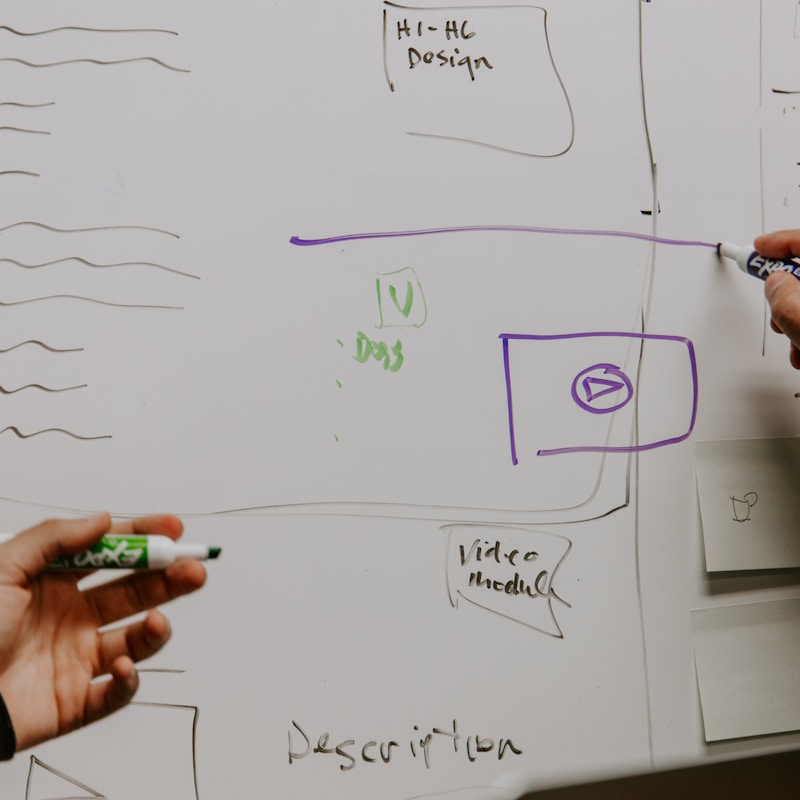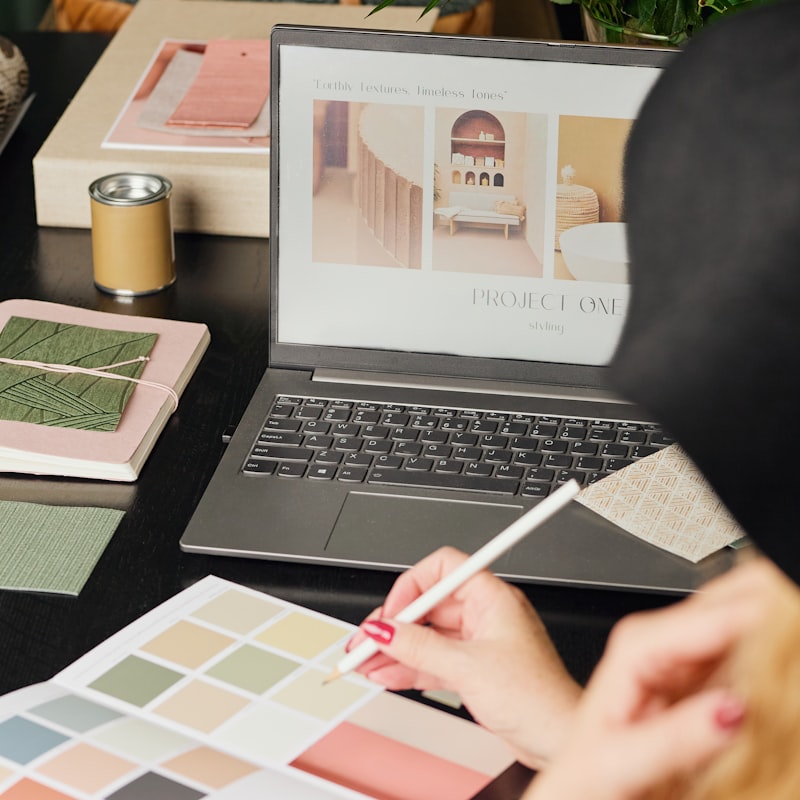

The design landscape in 2026 is fundamentally different from five years ago. It's not about aesthetics anymore—it's about outcomes. Businesses that treat design as a strategic function, not a decorative one, are seeing measurable growth in conversion rates, customer retention, and brand authority.
The Shift From Aesthetics to Strategy
Modern B2B design starts with a clear question: what does this design need to accomplish? A 2026 report on B2B design trends from leading design agencies highlights a major shift—companies are moving away from "let's make it look nice" and toward "how does this drive business results?" This represents a fundamental maturity in how organizations view design investment.
The difference shows up immediately. A strategically designed website doesn't just look polished. It guides users toward high-intent actions, reduces friction in the buying journey, and builds trust through clarity and consistency.
Design Systems as Competitive Advantage
One trend gaining rapid adoption is the design system—a documented set of standards, components, and patterns that allows teams to build cohesively at scale. Companies implementing design systems report faster launch times, more consistent brand presence, and better user experiences across touchpoints.
For a growing company, a design system does something critical: it scales your design decisions without scaling your design team proportionally. Every new page, campaign, or product launch leverages existing patterns and thinking rather than starting from scratch.
Human-Centered Design Drives Conversion
The rise of human-centered design reflects a hard reality: users aren't impressed by cleverness. They respond to clarity, speed, and ease. The best-performing B2B websites in 2026 prioritize user intent over designer ego.
This means dark mode options, readable typography, fast load times, and intuitive navigation. It means testing design decisions against user behavior rather than assumptions. Companies taking this approach see measurable improvements in bounce rates, time on page, and lead quality.
Minimalism With Micro-Interactions
There's a powerful trend toward minimalist layouts paired with thoughtful micro-interactions—small animations and feedback cues that guide user attention without overwhelming them. This approach accomplishes two things: it reduces cognitive load while maintaining visual interest.
Real example: a button that changes color and shows a checkmark after a user subscribes isn't fancy. But it reduces ambiguity and makes the interaction feel responsive and professional. These small details compound into better user satisfaction.
Design as a Lead Generation Channel
Here's the uncomfortable truth many businesses miss: poor design isn't just an aesthetic problem. It's a revenue problem. A poorly designed website or marketing page actively costs you leads.
We've worked with businesses across industries—from technology to property development—and the pattern is consistent. The ones that invest in strategic design don't just look better. They generate more leads, at lower cost per acquisition, with higher quality prospects. The design does the work of sales and qualification before a human ever gets involved.
What To Do Right Now
Start with one question: does your design communicate your value clearly? Not beautifully—clearly. If a prospect visits your site, can they immediately understand what you do, who you serve, and how to get started?
Then audit your design system. Do you have documented patterns for buttons, forms, headers, and common components? If you're rebuilding the same element differently across your site, you're wasting resources.
Finally, test. Set up analytics on your highest-traffic pages. Watch where users drop off. Ask users why they didn't convert. Use that data to inform design decisions.
Design trends are only useful if they solve real business problems. The ones that matter in 2026 are the ones that do.
If you want to use design strategically to drive business growth, the Solution Labs team can help you build the right system in place.