Buyers make decisions before they ever speak to a sales agent. They scroll, they watch, they compare — and video is now the primary format through which a development either earns attention or gets skipped. Property developers who treat video as optional are handing serious competitive ground to those who do not. The data is unambiguous: listings with video receive 403% more inquiries than those without, according to research compiled by Amplifiles. That is not a marginal advantage — it is a structural one.
Why Video Works Differently in Property Than Any Other Sector
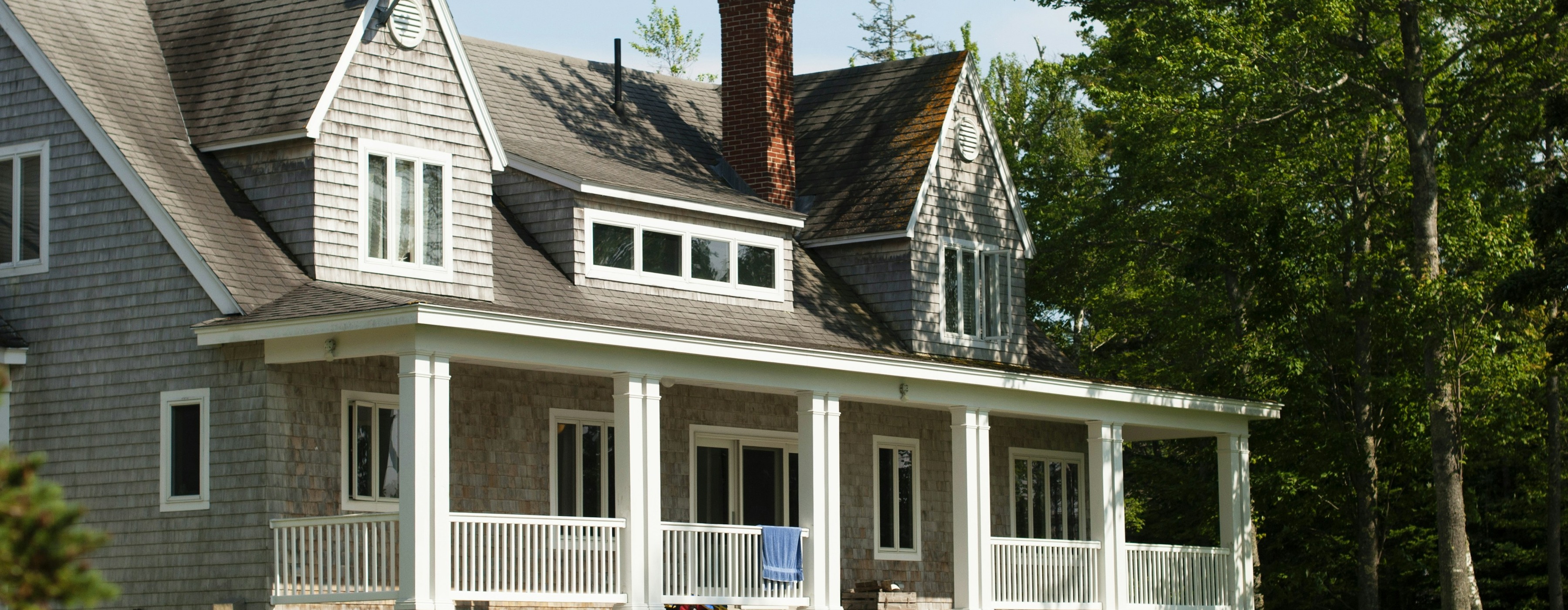
Property is a high-consideration, high-emotion purchase. Whether you are selling residential units to first-time buyers or commercial space to investors evaluating yield, the buyer needs to feel something before they commit. Static photography communicates dimensions and finishes. Video communicates lifestyle, scale, atmosphere and credibility. It answers the questions that a floor plan cannot: what does it feel like to walk through the lobby, to stand on the balcony, to see the development in context with its surroundings?
For off-plan developments specifically, video is the only tool that can bridge the gap between what exists today and what a buyer is being asked to commit to. Drone footage of the site, 3D walkthroughs of the unit types, and interview footage of the developer all work together to build the confidence that converts interest into a signed reservation. Without video, an off-plan development is asking buyers to take a leap of faith. With it, you are giving them something tangible to hold on to.
The Four Video Formats That Move Property
Not all video delivers the same result. The developers getting the strongest return from video are using a deliberate mix of formats, each serving a different stage of the buyer journey.
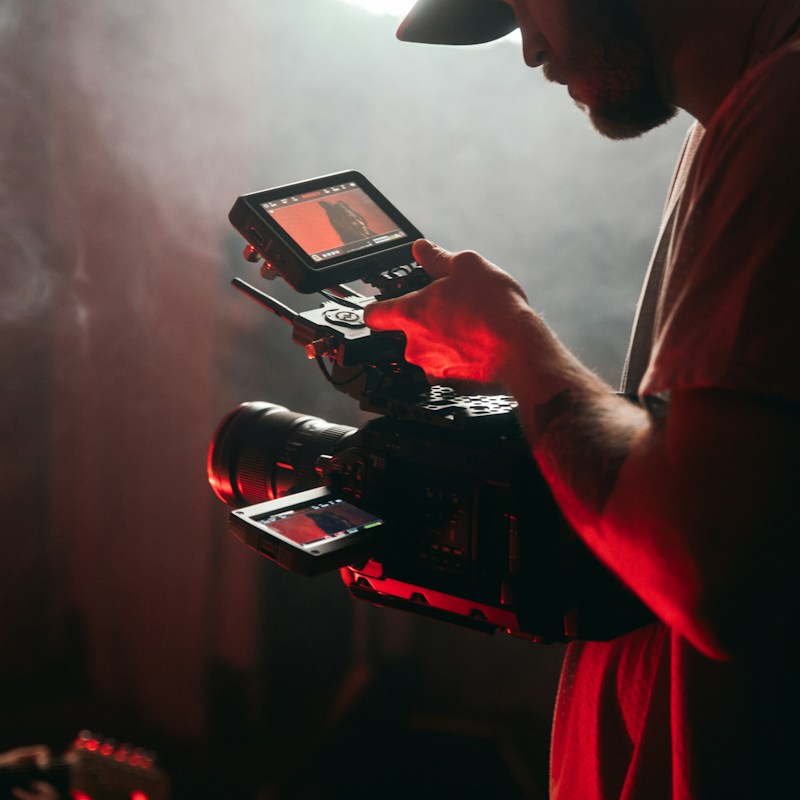
Development overview videos are the centrepiece — a two to four minute film that covers the location, the concept, the unit mix, and the lifestyle proposition. This is the video that goes on the development website, in email campaigns, and at the top of your listing on Property24. It needs to be properly produced, with motion, voiceover or music, and a clear structure that builds the case for buying.
Unit walkthrough videos do the specific work. A 60 to 90 second walk through a show unit or a rendered version of a specific floor plan gives buyers a spatial understanding that photographs cannot match. These convert at the consideration stage, when a buyer has shortlisted your development and is deciding whether to book a site visit.
Drone and aerial footage establishes location and scale. For a development in a suburb near a key arterial route, a school, or an amenity cluster, aerial footage makes the location argument far more effectively than a map pin. For industrial or commercial developments, it communicates the logistics and infrastructure context that investors and tenants need.
Developer and team interviews build trust. A 90 second piece with the developer or project director explaining the vision, the delivery timeline, and the track record removes the anonymity that makes buyers hesitant. Private Property South Africa has noted that technology, including video and virtual tours, is fundamentally changing how buyers engage with property listings — and trust-building content is central to that shift.
Distribution Is Where Most Developers Leave Money on the Table
Producing good video is half the work. Getting it in front of the right people is the other half, and it is where most property marketing campaigns underdeliver. A development overview video sitting on a YouTube channel with 80 subscribers is not a marketing asset — it is an archived file.
The distribution strategy needs to be built before production begins. Where will this video live? On the development website, yes — but also in targeted Meta ads to buyer personas defined by age, income bracket, and location. In the email sequence that goes to leads who have downloaded the brochure. As a reels cut on Instagram. As a pre-roll option in programmatic campaigns targeting property intent audiences. Each platform needs a version of the video optimised for its format and audience context.
A residential developer we work with in Cape Town produced a launch video for a student accommodation development in the City Bowl. The full cut ran on the development site and in email. A 15 second cut ran on Instagram reels. A 30 second version ran in Meta ads targeting parents of university-age students in the Western Cape. Each format served a different moment in the buyer journey, and the combined campaign exceeded its pre-sales target in the first six weeks.
What to Brief Your Video Team on Before Production
Bad development videos are not usually the result of poor production — they are the result of an unclear brief. Before a camera is on site, the following needs to be agreed:
Who is the primary buyer? The way you film and edit a video for a buy-to-let investor is completely different from how you do it for a young professional buying their first home. The music, the pacing, the voiceover tone, and what you choose to show in close-up all follow from this decision.
What is the one thing this video needs to communicate? Not five things. One. For an off-plan development, it might be confidence in the developer. For a completed commercial development, it might be the quality of the finishes and the calibre of existing tenants. Choose the single most important message and build the film around it.
What is the call to action? Every video needs to end with a specific instruction: register your interest, book a show day, download the brochure. Without it, a viewer who is genuinely interested has no obvious next step and moves on.
The ROI Case for Video in Property Marketing
Development video production is a real cost, and it needs to be evaluated against the commercial outcome. A well-produced development video for a mid-size residential project in South Africa typically costs between R25,000 and R80,000 depending on scope. Against the margin on a single unit sale, that cost is negligible. Against the cost of a development sitting on the market for an additional two to three months, it is a fraction of the financing cost alone.
Social media has already reshaped how property is marketed in South Africa. Private Property's research on social media and property marketing shows that digital-first strategies are now standard for competitive agencies and developers. Video is not a future investment — it is a current requirement for any developer serious about sales velocity.
If you want to build a video marketing strategy for your development that drives real pre-sales results, the Solution Labs team produces development video content and manages distribution across digital platforms for property clients across South Africa.