Live streaming is no longer optional for property developers and real estate agents — it's become essential. Buyers expect to tour properties on their schedule, not just during open house hours. And agents who stream consistently are getting faster sales and more qualified inquiries.
But streaming property is different from other types of video. You need specific tactics, the right setup, and a clear strategy to actually convert viewers into buyers.
Here's how to use live streaming to drive real results.
Why Live Streaming Works for Property Sales
Live interaction builds trust in ways recorded video can't. When a buyer sees a developer or agent in real time, answering questions live, they feel the authenticity. Prerecorded tours feel polished but distant. Live feels personal.
The stats back this up. According to HubSpot's 2025 video marketing research, how-to videos and educational content see 74% average engagement rates. For property specifically, buyers who attend a live virtual tour are significantly more likely to request a viewing than those who watch a recording.
The other advantage: live streaming creates urgency. FOMO (fear of missing out) is real. When you announce a live tour is happening now, more people tune in than if you post a pre-recorded video. The replay doesn't have the same effect.
The Right Equipment (Without Overcomplicating It)
You don't need a film production setup to stream successfully. Most property developers and agents make the mistake of investing in expensive gear before they understand what actually matters.
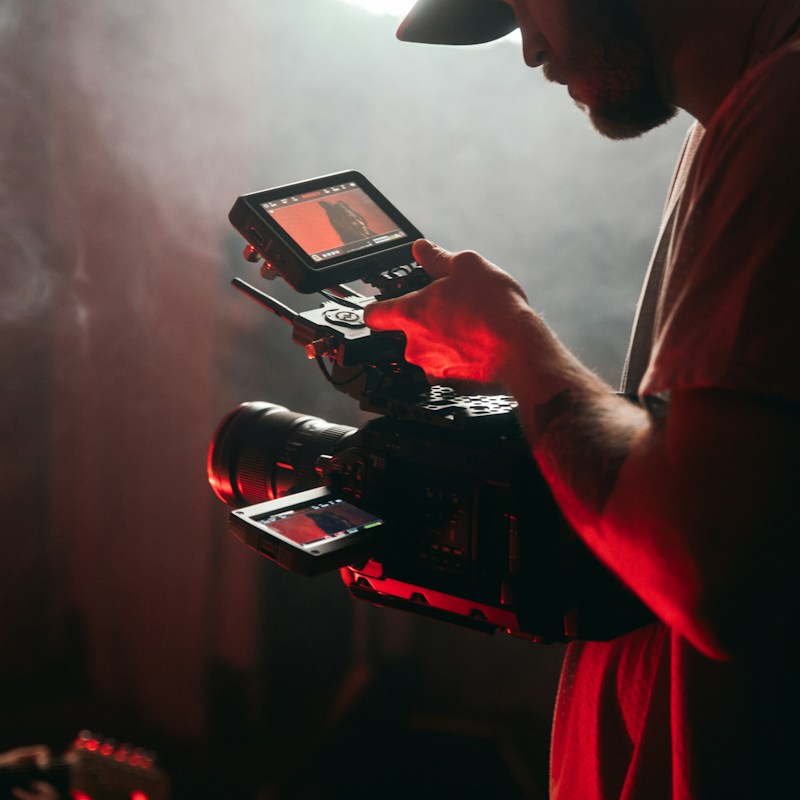
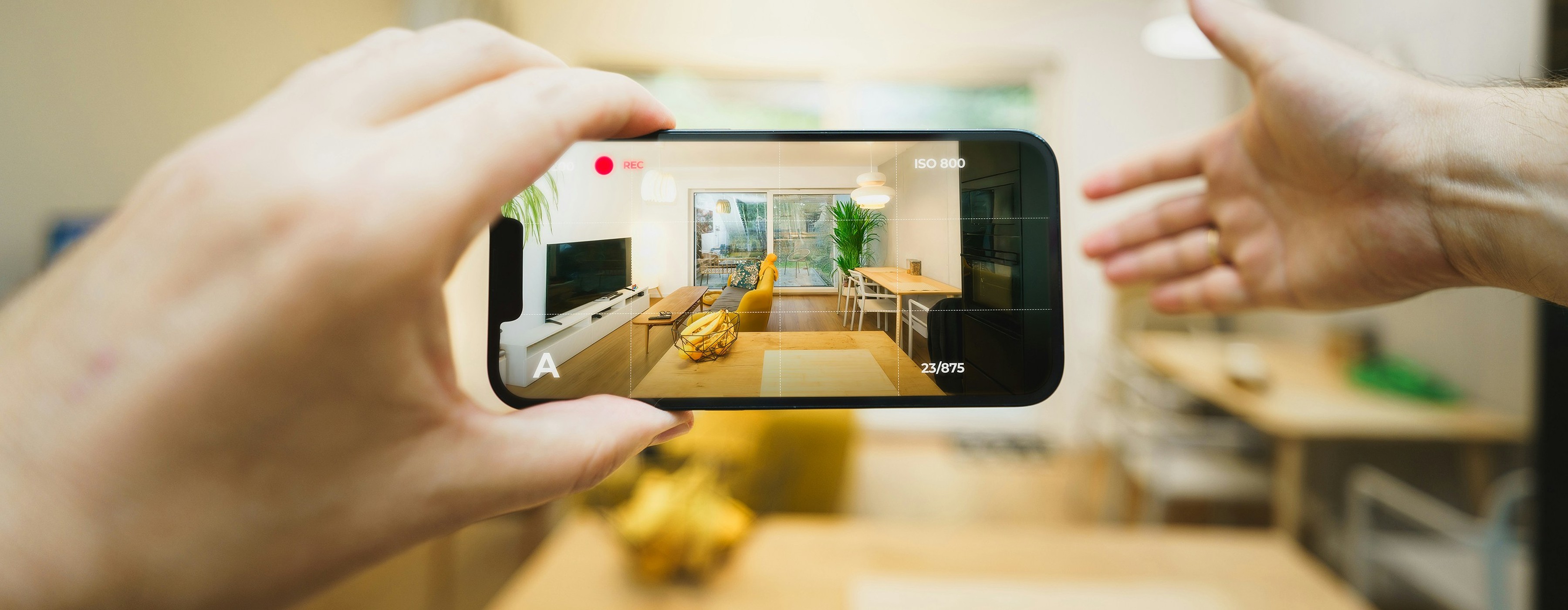
Start with what you have. A decent smartphone (iPhone or Android with at least 1080p video) is enough to start. Pair it with a good wireless microphone — this is where your money goes. Audio quality matters far more than camera quality. If buyers can't hear the agent or developer clearly, they'll click away.
Add natural lighting. If you're streaming during the day, position yourself so light comes from behind the camera, not behind you. If you're indoors, use soft window light or a small ring light (under $50). Harsh shadows and backlighting kill the stream.
Finally, use a tripod or stabilizer. Shaky video is unprofessional and makes viewers uncomfortable. A $20 smartphone tripod solves this.
Total setup cost: under $200 to start. Don't wait for perfect equipment — start now with what works.
Go Live Where Your Buyers Actually Are
Property buyers don't search for live streams on random platforms. They're on Facebook, Instagram, YouTube, and increasingly TikTok Live. Pick 1-2 platforms and do those well rather than spreading yourself thin across five.
For property developers in South Africa, Facebook and Instagram are where your audience spends time. Older buyers (35+) and commercial investors are on Facebook. Younger first-time buyers are on Instagram. If you're targeting international investors or luxury markets, YouTube and LinkedIn are stronger.
Post your stream announcement 24-48 hours in advance. Give people time to show up. When you go live, pin the stream to the top of your feed, and use a consistent day/time (e.g., "Every Saturday at 10am") so people know when to expect you.
Make Your Stream Valuable, Not Just a Tour
New agents mistake live streaming for a camera walk-through. That's where most streams fail. Buyers get bored watching a static camera pan across an empty building.
Instead, structure your stream like a conversation. Start with a 2-minute intro — who you are, what you're showing, why this property matters. Then walk the space with purpose. Pause. Highlight features. Answer questions in real time as they come in from chat.
Prepare talking points. Know what makes this project unique — not just "modern finishes" but "the developer positioned these units to maximize morning light and minimize noise from the adjacent highway." That's specific. That's credible.
Encourage questions. Read chat aloud. Answer directly. This is where the connection happens. A viewer asking "What's the bond approval timeline?" and getting an immediate answer from the developer or agent feels personal. They're not just watching content — they're having a conversation.
Leverage the Stream Afterward
The live stream is the beginning, not the end. After it ends, upload the video to YouTube and share the link on your website and via email to leads. Not everyone can watch live. But many people will watch the replay if it's easy to find.
Add a CTA (call to action) in the YouTube description — link to your booking page, contact form, or property listing. Buyers who watch the replay and want to learn more should be able to reach you with one click.
Track which streams get the most engagement and replays. Over time, you'll see patterns — maybe certain properties perform better on certain days, or certain times attract more serious buyers. Use that data to optimize your streaming schedule.
Connect It to Your Broader Marketing System
Live streaming works best when it's part of a bigger strategy, not a one-off tactic. A developer we work with built a live streaming cadence into their property launch campaign. They streamed weekly updates as the project progressed — site progress, unit finishes, investor talks. By the time units went on sale, buyers already felt invested in the project because they'd been following it live for months.
Email your database before each stream. Post teasers on social. Create countdown graphics. Make it an event, not just a video.
The Bottom Line
Property developers and agents who master live streaming have a real competitive advantage. It's not complex. It's not expensive. But it does require consistency and intent.
Start this week. Pick your platform. Announce a stream. Do it. Review the chat afterward and see what questions buyers had. Iterate. Do it again next week. In three months, you'll have a system that drives qualified inquiries and faster sales.
If you want to build a video strategy that actually drives property sales, the Solution Labs team can help you put the systems in place.