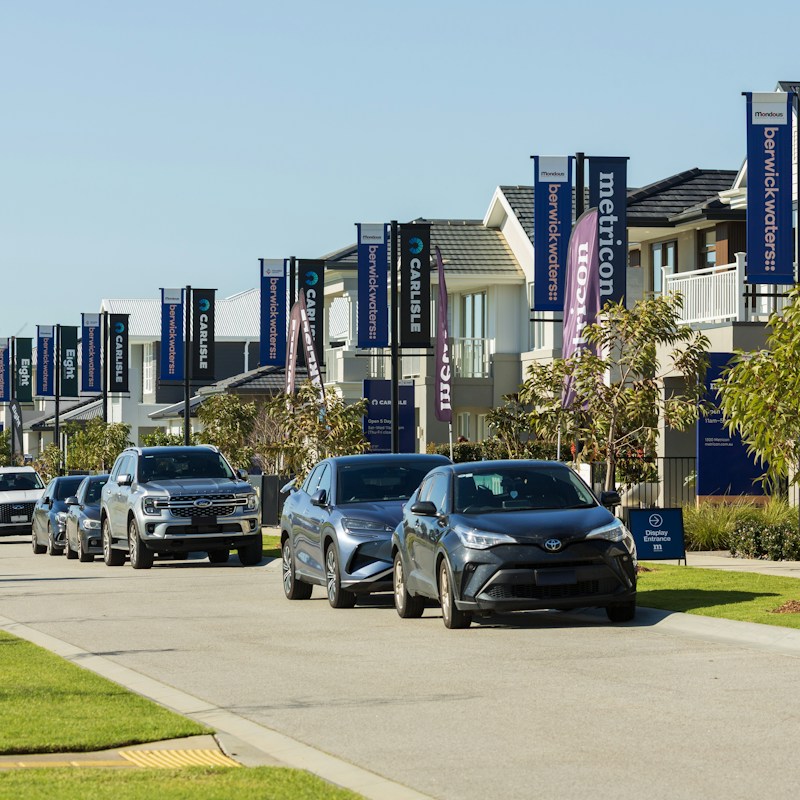
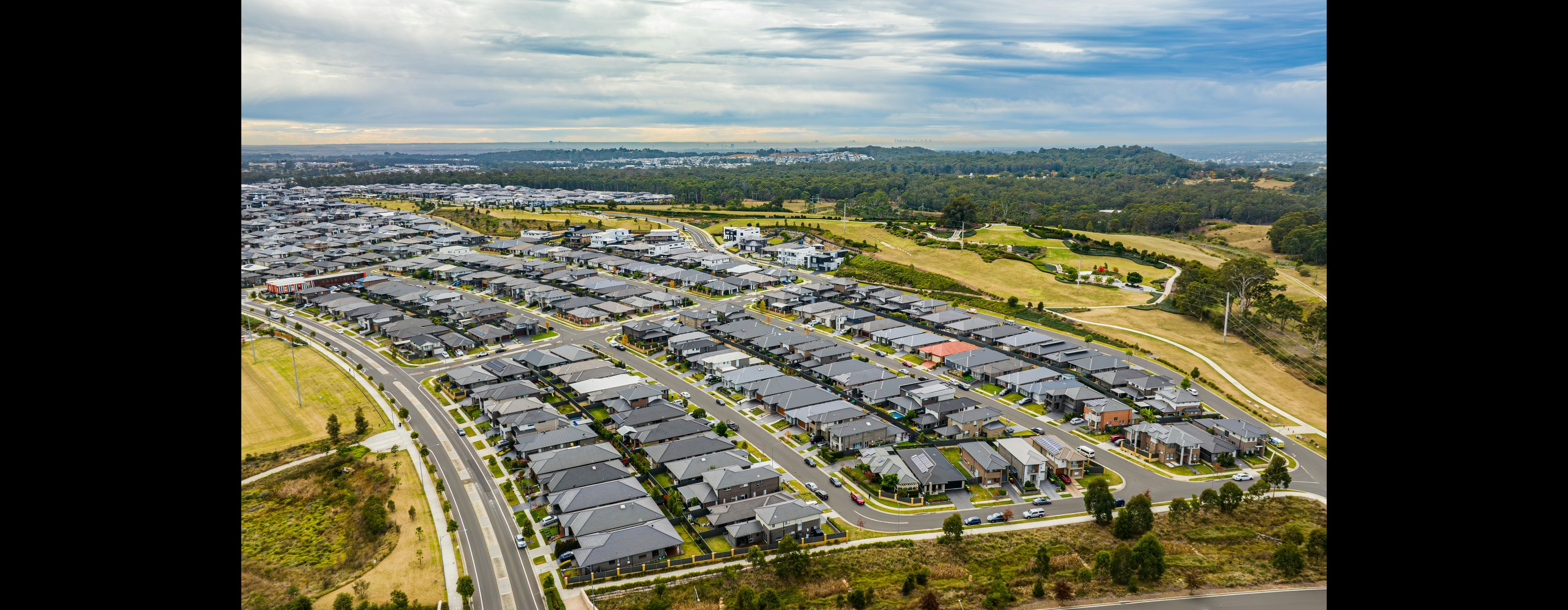
Lifestyle estate marketing has become the most powerful growth strategy for South African property developers in 2026. Mature buyers are spending record amounts on secure, amenity rich communities, and the developers who know how to reach them are selling out faster than ever. But most estate marketing still relies on generic property listings and static brochures. The estates winning right now are using strategy led campaigns that sell a lifestyle, not just a stand.
Understanding Who Actually Buys Lifestyle Estates
The buyers driving lifestyle estate demand in South Africa are not who most developers assume. According to BetterBond data cited by Real Estate Investor Magazine, buyers over 60 are now spending an average of R2.39 million on homes, with average purchase prices for this age group increasing by 8.05% year on year. These are not people downsizing into cheaper properties. They are leveraging paid off bonds and accumulated equity to reenter the market at higher price points.
They want security, community, walkability, and amenities. They are moving into retirement focused communities, luxury sectional title developments, and lock up and go living environments. But they also want to see themselves in the lifestyle before they buy. Your marketing needs to show them living there, not just show them the floor plan.
A younger segment is also emerging. Professionals in their 30s and 40s are buying into lifestyle estates for security and convenience, particularly in semigration hotspots like the Winelands and West Coast. Rental yields in Langebaan are averaging between 6% and 7%, and furnished luxury rentals in Franschhoek are reaching R70,000 per month during peak periods. These numbers tell you the demand is real. Your marketing needs to match it.
Building a Lifestyle Led Brand Story
Lifestyle estate marketing fails when it leads with specs. Square metres, erf sizes, and municipal costs matter to buyers, but they do not drive desire. What drives desire is the story of what life looks like inside the estate.
We saw this firsthand with a residential lifestyle development we launched in Cape Town. The brief was to fill units in a student living development before construction completed. Instead of running property listings, we produced a launch video that showed the lifestyle: morning coffee on the balcony, friends in the communal spaces, the energy of the neighbourhood. That video became the centrepiece of the entire marketing campaign and drove qualified enquiries from day one. You can see more of this work on our portfolio.
The lesson applies to every lifestyle estate. Show the morning walk along the estate green belt. Show the kids riding bikes in the secure cul de sac. Show the Sunday braai at the clubhouse. These moments are what buyers are actually purchasing. When your marketing captures the lifestyle, the specs become supporting evidence rather than the headline.
Digital Channels That Drive Lifestyle Estate Marketing Results
Lifestyle estate marketing works best when you combine targeted digital channels with high quality visual content. Here is what actually moves units.
SEO is your foundation. Buyers searching for secure estates in Cape Town or lifestyle properties in Stellenbosch are already in market. Optimising your estate pages for these search terms means you capture them at the moment of intent. A Cape Town property developer we work with has seen first page rankings drive consistent organic booking growth month after month through a disciplined blog and keyword strategy.
Google Ads fill the gap while SEO builds. Targeted campaigns around lifestyle estate keywords let you reach buyers actively researching their next move. The key is landing page quality: if your ad sends someone to a generic contact form, you waste the click. Send them to a page that showcases the lifestyle with video, imagery, and clear next steps.
Retargeting keeps you in front of visitors who explored your site but did not enquire. Property purchases take time. Retargeting ensures your estate stays top of mind through that consideration window. According to Property24, mixed developments that combine residential and retail components are increasingly attractive to buyers who want convenience alongside security. Your retargeting can highlight these lifestyle benefits to bring visitors back.
Measuring Whether Your Estate Marketing Is Working
You cannot improve what you do not measure. The estates that sell fastest track specific KPIs throughout the buyer journey.
Enquiry volume by channel tells you which sources are driving actual leads, not just traffic. Cost per qualified lead shows how much you are spending to generate a serious enquiry. Time from first touch to site visit reveals where in the funnel people are dropping off. Conversion rate from site visit to reservation measures how effective your sales team is at closing.
The Pam Golding Property Group Residential Property Index shows national house price inflation accelerated to 4.1% in April 2026, with the Western Cape outperforming at 8.6% growth. In a market where values are rising, your marketing needs to demonstrate urgency without sounding desperate. The data gives you the angle: prices are moving, and buyers who act now benefit.
Track these metrics monthly. Adjust your spend based on what the data tells you, not on gut feel. The most successful estate developers we work with treat their marketing budget like an investment portfolio, allocating more to channels that deliver and cutting what does not.
The Bottom Line
Lifestyle estate marketing in 2026 is not about selling bricks and land. It is about selling a way of living that people aspire to. The data is clear: mature buyers are spending more than ever, semigration is driving demand in the Western Cape, and the market for secure, amenity rich communities is growing. The developers who win are the ones who tell the lifestyle story across the right channels, measure what works, and keep refining.
If you want to build a marketing system that fills your lifestyle estate with the right buyers, the Solution Labs team can help you put the right strategy in place.