
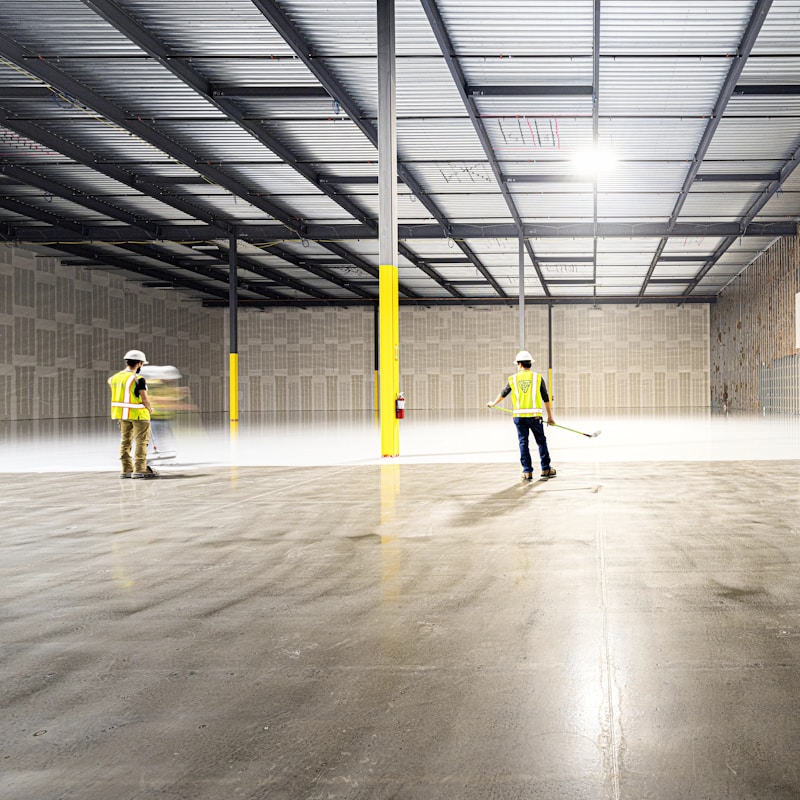
Industrial real estate is not just recovering in South Africa in 2026. It is the dominant commercial asset class, outpacing office, retail and mixed use across every meaningful metric. For developers, this is the clearest opportunity in the market right now: demand is strong, supply is constrained, and buyers are less price sensitive than they have been in years.
According to Real Estate Institute South Africa, industrial real estate is expected to remain the strongest commercial asset class in 2026, supported by persistently low vacancy rates and rising rental growth. In Cape Town specifically, the industrial market is described as critically tight, creating opportunities for developers to bring new supply to market and capture significant premiums.
Why Industrial Property Is Winning in 2026
Three structural factors are driving industrial demand that developers should understand. First, e-commerce and logistics have fundamentally changed space requirements. Warehouses need to be modern, efficient and well-located near transportation hubs. Second, supply constraints are real. Limited development in recent years means the market is undersupplied relative to demand. Third, institutional buyers and operators are actively acquiring assets, meaning there is aggressive capital competing for available supply.
For developers, this means faster absorption, stronger pricing and less marketing friction than you would encounter with office or retail projects.
Cape Town Is the Critical Opportunity Zone
Cape Town's industrial market is the tightest in South Africa. With limited new supply coming online since 2020, developers bringing industrial projects to market in Cape Town are entering a supply-constrained market where buyers have few alternatives. This is the inverse of most commercial real estate markets, where developers compete heavily on marketing and pricing. In Cape Town industrial, you are competing on availability, not persuasion.
The city's infrastructure investment and industrial development corridor expansion create a genuine long-term demand story that tenants and investors believe in. That belief translates to faster lease-up and stronger valuations for completed projects.
Marketing Industrial Property Requires a Different Strategy
Industrial property buyers are not shopping for lifestyle or aesthetic appeal. They are solving a business problem: they need functional, modern space in the right location at a price that works for their business model. Your marketing should address that problem directly.
Effective industrial property marketing focuses on specification (clear details about space, loading, parking, height clearances), location advantages (proximity to transport, customer bases, supply chains), operations (lease terms, tenant profile, yield on investment) and market position (why your asset is positioned to appreciate in value). Promotional language and beautiful renderings matter far less than demonstrating that your asset solves a genuine business need.
Position Your Industrial Project as a Strategic Asset, Not a Commodity
The developers capturing the most value in the industrial market are not competing on price. They are positioning their assets as strategic infrastructure that improves their buyers' business operations. A 10,000 square metre facility in the right location can be the difference between a logistics operator being competitive or not. That is powerful positioning.
When you market industrial property, emphasize how your asset enables your buyer to operate more efficiently, serve customers faster or access supply chains more effectively. That positioning justifies premium pricing and accelerates sales.
The Digital Marketing Imperative
Industrial property buyers are increasingly sophisticated. They expect to research properties online, review specifications and pricing before engaging a broker. Developers who have strong digital presence, detailed property information online and active SEO presence are capturing more qualified buyers with less sales effort.
Invest in clear, professional photography and video of your industrial assets. Document specifications, layouts and location advantages on your website. Ensure your properties are discoverable by buyers actively searching for warehouse and industrial space in your market. These basics separate developers capturing market demand from those chasing it.
Capture Your Market Moment
Industrial real estate is the strongest part of the commercial market in 2026. Supply is limited, demand is active and buyers are ready to move. For developers, this is the time to bring industrial projects to market and capture the value that supply constraints have created.
At Solution Labs, we help property developers market industrial and commercial assets to the right buyers with strategies designed to accelerate absorption and maximize value. If you are developing industrial property and want to position it for success, talk to our team.